Search

conversations on the fringe

Category

Youth Ministry

The Mask You Live In


We have a problem with male youth in our country. We are making it harder for them to navigate the journey from adolescence to adulthood without developing toxic masculinity. The documentary The Masks You Live In explores this issue. It’s currently on Netflix. If you work with youth, especially male youth, I’d encourage you to watch this challenging film and let it change you.


UPDATE: Being Good News to LGBTQ Students 2016


Reblogged on WordPress.com

Source: UPDATE: Being Good News to LGBTQ Students 2016

UPDATE: Being Good News to LGBTQ Students 2016


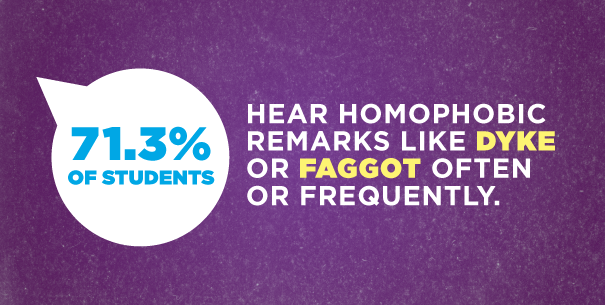
UPDATE: It’s not getting better for LGBTQ youth.

CotF Admin's avatarconversations on the fringe

The plight of LGBTQ youth has been a growing passion for CotF over the last several years. As we continue to look deeper into what it means to be a gay youth we are regularly surprised by the vilification of these adolescents by the church and the exploitation of them by the world. CotF is committed to pulling back the curtain in LGBTQ youth related issues, to bring an end to the continued marginalization of this potentially vulnerable group of beloved youth.

*This is an update on a previous post that challenges the church to consider whether it is actually Good News or contributes to the further victimization of LGBTQ youth.

Adolescence is a time of significant physical and psychosocial development.  As youth develop, they are typically informed by and supported by their peers.  Experimentation, exploration, and risk characterize adolescence, and many engage in high-risk behaviors during this time.  Beyond…

View original post 961 more words

Words Matter


Just a reminder as we move into the weekend…

Spiritday_Infographic_featured


image

Eroticizing Power


I came across this article about clergy sexual abuse and the concept of eroticized power seemed relevant to the current blog series on sexual abuse in the church.  I’d love to hear your thoughts on the following in the comments.

“A power imbalance is easily sexualized or eroticized. Carolyn Holderread Heggen notes that: The imbalance of power between men and women has become eroticized in our culture. Many persons find male power and female powerlessness sexually arousing. In general, men are sexually attracted to females who are younger, smaller, and less powerful than themselves. Women tend to be attracted to males who are older, larger, and more powerful. Male clergy have a great imbalance of power over their congregations, which are often predominately women, therefore, the stage is set for a sexually inappropriate expression of this power differential.
 
In some instances, misuses of power can be sexualized in situations that begin as mentoring. This could happen in the case of an older man or woman taking an interest in a younger person of either gender for the purpose of encouraging that youth’s development. Youth activities that begin as play can become a context of power and authority when youth leaders do not understand the power they possess simply by virtue of their age, authority and gender.
 
Because they have greater power, the leader always bears primary responsibility to protect the boundaries of the relationship. The person with the greater power must act in the best interests of the person with lesser power. This holds true even when the person with less power makes sexualized advances. A leader is the keeper of a trust and, as such, is responsible to ensure that no sexualized behavior occurs, “…no matter what the level of provocation or apparent consent.”

Keeping Children/Youth Safe From Abuse In Church: Best Practices


In our last post we looked at what faith communities need to know and think about regarding sexual abuse. In this post we will look at very specific behaviors churches/ministries can take to reduce the actual risk of sexual abuse occurring in their buildings and programs.

  • Do the hard work of developing policies

Many churches or youth and children ministries already have policies on how to address abuse when it occurs. It would be prudent to develop an abuse prevention policy as well. For example, have a 2-1 adult-child ratio at all times would be a safer practice that allowing 1-on-1 adult to child ratio. If a child needs spiritual counseling or is in a mentoring relationship with an adult, restricting physical touch to only public spaces or simply minimizing (side hug vs. full frontal, prolonged hug) is also a best practice.

  • Identify and question confusing behaviors

This will take an environmental curator, who is skilled at communication, to shape the culture and make it safe and acceptable to talk about confusing or uncomfortable behaviors. Nobody wants to accuse someone of sexual abuse but having a climate that identifies behavior that could potentially be misconstrued as inappropriate is a good starting point.

  • Don’t wait! Address inappropriate behaviors

Speaking up about your concerns is not the same as accusing someone of sexual abuse and could serve to keep unhealthy or dangerous behaviors from occurring in the first place. The very nature of prevention is to act before the illegal sexual behavior occurs. Drawing a boundary of safe and appropriate behavior early is the important work of prevention. Don’t wait until the line is crossed, be proactive.

  • No hide and seek

When planning for child/youth space, we often look at it through the lens of the child or physical harm to the child. We should also be looking at our physical spaces through the lens of a potential perpetrator; where are there blind spots, hiding spaces where abuse might occur. Be mindful of the activities you play, such as; hide and seek, sardines, etc. Consider adding windows to interior walls for safer viewing and higher levels of accountability.

  • Plan for messy people

The church is and should be a place of restoration and reconciliation. People who have sexually abuse others in the past often look to faith and religion as a means of overcoming their problem. What are your protocol for how they can navigate your community? Are certain areas off limits? What legal restrictions do they have? Who is meeting with the abuser for counseling and accountability? Thinking this through ahead of time will give you the opportunity to be proactive and decrease the likelihood of unwanted difficulties.


In our next post we will look at best practices for responding to a sexual abuse crisis should it happen in your church/program.

Church Readiness for Sexual Abuse: Reducing Risk


Churches that care about children are an important part of our culture. The need for spiritual and moral development is imperative for our future as humans and also for the future of all faith traditions. The significance of growing into a community of people that love and support you is essential for a successful transition into adulthood as well. Unfortunately, any community can be vulnerable to sexual abuse, especially when adults interact with those children on a regular basis.

  • It can happen in your church.

“It won’t ever happen here.” Famous last words. There is no such thing as a “typical” sexual predator. They come in all shapes and sizes. We can’t afford to live in denial about the possibility that sexual abuse can happen in our ministries. Talking about it won’t make it happen. Talking about it publicly will help keep it in the forefront of your minds and will communicate a sense of safety, that this issue is not being ignored. Parents are always thinking about the possibility so your ministry should as well.

  • You’re as sick as your secrets.

Should sexual abuse occur in your church or ministry, you might be tempted to avoid the public scandal. Don’t! Nothing feels worse to the victim than brushing abuse under the rug. Don’t minimize or victim-blame. Speak out directly to your community, cooperate with the police, walk alongside the victim, and walk alongside the abuser. This will be messy but it will be worth it in the end as it will give everyone a sense of security that this issue is taken seriously and that we (the church) is in it for the long road to recovery.

  • Background checks – it’s a good start.

Background checks should be required by now. If not, you’re already vulnerable to predatory individuals. While background checks are essential, law enforcement says that 88% of sexual assault goes unreported. That means 9 out of 10 offenders will not have a criminal background. Proper vetting, relationships, ongoing supervision, accountability, and policy are necessary to reduce the risk of abuse happening in your ministry.

  • The importance of policies and procedures.

Beyond background check, extensive and comprehensive policies and procedures are going to be your best defense against child/youth abuse in your community. Good policies make clear that your ministry is committed to nurturing safe spaces for your kids to explore faith and tradition.


Faith Forward 2016


“Faith Forward is a non-profit organization dedicated to bringing together children’s and youth ministry leaders for collaboration, resourcing, and inspiration toward innovative theology and practice

I was honored to serve at Faith Forward last year and was blown away by the community assembled there. Top-notch training. Progressive orthodoxy and innovative orthopraxy. More importantly, my family a I found a place to call home among like-minded people who desire to love and live deeply. This has become my favorite gathering and have been looking forward to this since the closing session last year.

YOU ARE INVITED TO JOIN THE FAMILY!

Join us April 18th – 21st, 2016 at the historic St. James Cathedral in downtown Chicago. For more information visit faith-forward.net.

A WordPress.com Website.

Up ↑